

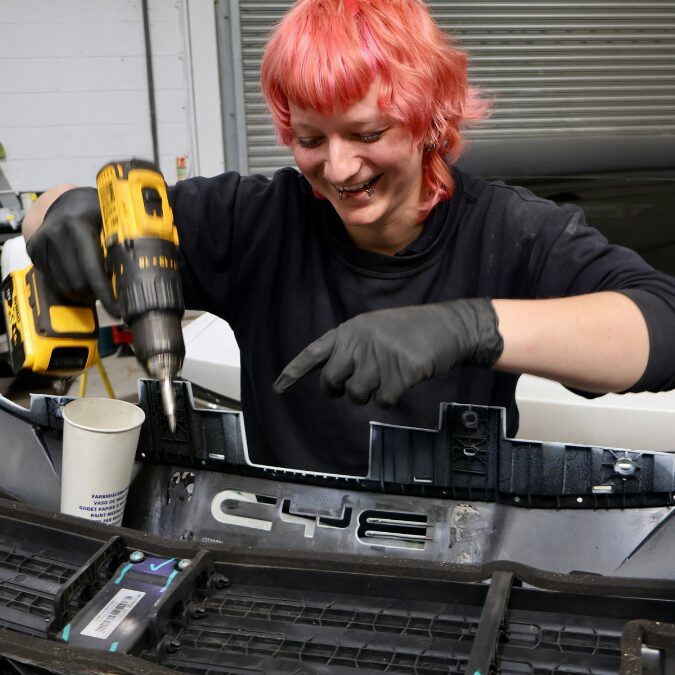
Castle Coachworks strengthens EV credentials as we invest in the future of electric vehicle repair
At Castle Coachworks, we’re continuing to invest in the skills, technology and equipment needed to support the growing number of electric and hybrid vehicles on Northamptonshire’s roads. We are proud to say that we have now added Chery, OMODA, and JAECOO to our expanding portfolio of manufacturer approvals, strengthening our ability to help drivers when they need specialist accident repair.
The latest approvals are another important step in our development as a manufacturer-approved accident repair centre serving customers across Northamptonshire, including Northampton, Kettering, Wellingborough, and the surrounding areas.
For us, however, manufacturer approval is about much more than adding another badge to the workshop. It means investing in our people, keeping our technicians trained, maintaining the right specialist equipment, and following the repair procedures set by the vehicle manufacturers.
And importantly, that investment doesn’t stop once an approval has been achieved.
Investing in the cars of today and tomorrow
The vehicles coming into our workshop are ever evolving. Electric and hybrid vehicles are becoming increasingly common, while new manufacturers and new technologies are entering the UK market at a rapid pace.
That means the accident repair industry has to change too.
As Stuart White, our General Manager, explains:
“Electric vehicles have changed the way the accident repair industry has to operate. These aren’t vehicles that might arrive in the UK at some point in the future. They are already on the road, and we want to be ready to support their owners locally if they are involved in a collision. And it is not simply a case of repairing bodywork. There are high-voltage systems, sophisticated electronics, batteries, sensors, and safety systems that all need to be considered.
What happens when an electric car is involved in an accident?
One of the things we want EV owners to understand is that the accident repairs can involve much more than the damage they can see. Following a crash – even a seemingly small one – our technicians may need to consider a range of vehicle systems depending on the make, model and circumstances of the accident.
These can include:
- High-voltage systems – Electric vehicles contain high-voltage electrical systems, meaning appropriate safety procedures, equipment and technician knowledge are essential.
- Battery systems – The battery is a fundamental part of an EV, and following certain types of collision, it may require specific inspection or repair procedures set by the manufacturer.
- ADAS and sensors – Modern vehicles can use cameras, radar ,and other sensors for safety and driver-assistance systems. Following a collision, these systems may need to be inspected, calibrated, or otherwise addressed in accordance with the manufacturer’s procedures. Even just removing a bumper can mean an ADAS calibration is required.
- Vehicle structure and materials – Modern vehicles use increasingly sophisticated construction techniques and materials. The correct repair method can therefore be specific to the manufacturer and model, and these methods can change and be updated by the manufacturer at any point – so need to be referenced for each job.
- Diagnostics and electronic systems – Modern accident repair increasingly involves electronic diagnostics as well as traditional body repair and refinishing.
This is why we believe choosing the right repair centre is particularly important for electric and hybrid vehicle owners.
Why manufacturer approval matters
Bodyshop Manager Ellis Lennon explains why manufacturer approval is about considerably more than displaying a manufacturer’s logo.
“Manufacturer approval is important because it gives the customer confidence that the repairer has been through the manufacturer’s process and is being held to the standards they expect,” says Ellis.
“Manufacturer approved means we are accountable to the manufacturer. We have to demonstrate the right training, equipment and repair methods, use Genuine Parts, and maintain the appropriate quality processes. We are also subject to ongoing audits. That is important because customers need to know their vehicle is being repaired to the manufacturer’s required standards and in a way that maintains the safety systems it was designed with.
And it doesn’t stop once we get the accreditation. We are also subject to rigorous and continual auditing including manufacturer surveys to ensure that we continue to maintain these high standards”
From Tesla to Chery, OMODA and JAECOO
Our EV manufacturer approval journey is not new. We secured Tesla manufacturer approval in January 2023, following manufacturer-specific training which included sending our MET technicians to Tesla’s training academy in Holland. We also invested in Tesla-specific tooling as part of the approval process.
That experience, coupled with our existing brands releasing EV and hybrid models, has given us a strong foundation for understanding the additional requirements involved in repairing modern electric vehicles and, importantly, the level of commitment required to maintain manufacturer-approved standards.
The latest approvals for Chery, OMODA and JAECOO represent another step in that development. We are also in the final stages of manufacturer approval with BYD, which would further expand our capabilities to support owners of electric vehicles from one of the world’s major EV manufacturers.
Supporting EV drivers across Northamptonshire
Our aim is straightforward: when an EV or hybrid driver needs accident repair, Castle Coachworks want to be ready to support them.
Stuart concludes that is ultimately what our continued investment is about.
“Nobody wants to be in the position where they need an accident repair. But if it happens, we want local drivers to know that there is a specialist repair centre here that has invested in the technology and training needed to repair their vehicle to the highest standards of safety and pre-accident condition as its manufacturer intended.”
If you’ve been involved in an accident and need manufacturer-approved EV or hybrid accident repair in Northamptonshire, contact Castle Coachworks in Northampton to discuss your vehicle and repair requirements.